

Five Lawmakers Broke Ranks Over Barzaga’s Suspension, Citing Free Speech and a Corruption Double Standard
Five House members voted against Rep. Kiko Barzaga’s December 2025 suspension, arguing it punished speech about corruption while sparing bigger allegations. The full story includes a second suspension and, ultimately, his expulsion from Congress.

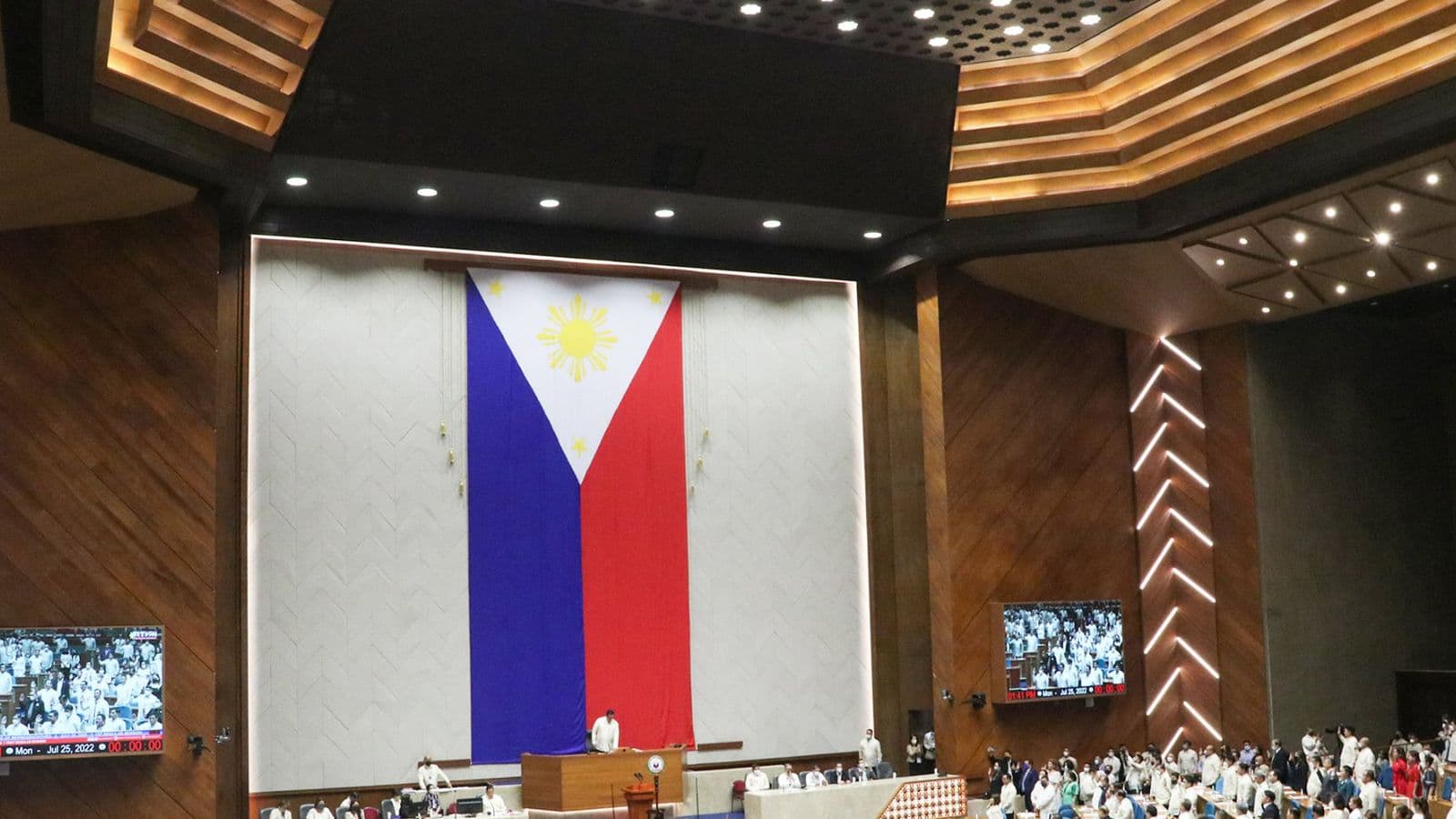
A December 2025 House vote suspending Cavite 4th District Rep. Francisco "Kiko" Barzaga for 60 days without pay is circulating again on social media, framed by some pages as proof that Congress moves fast to punish critics of corruption while dragging its feet on the corruption itself. The vote and the objections raised against it are real — but the story didn’t end there.
The House voted 249-5, with 11 abstentions, on December 1, 2025, to adopt the ethics committee’s recommendation to suspend Barzaga. The committee found him guilty of disorderly behavior under House rules and the Code of Conduct for Public Officials, citing "incendiary" social media posts, indecent photos he had left publicly viewable, and posts flaunting personal wealth. Some of the posts the committee flagged joked about burning down the Batasang Pambansa itself. A separate complaint, filed by members of the National Unity Party, also accused him of storming a House office and criticizing former party colleagues after leaving the group.
Five lawmakers voted no: Paolo Marcoleta (SAGIP), Eli San Fernando (Kamanggagawa), Robert Nazal Jr. (Bagong Henerasyon), Bong Suntay (Quezon City 4th district), and Leandro Legarda Leviste (Batangas 1st district). Their objections, made on the House floor, weren’t about defending the specific posts — they argued the House was being inconsistent about which kind of misconduct actually gets punished.
“Hindi ba nakakahiya maging miyembro ng kongreso dahil parang naging normal na meron tayong isang kasamahan na inakusahan na nagbayad para sa mahigit One Hundred Billion Pesos ng mga kontrata sa DPWH?”
— Leandro Legarda Leviste, Representative, Batangas 1st District
Leviste also argued the process itself was rushed — the committee report, he said, was only handed to members that same afternoon, ahead of a full plenary vote. Nazal called the 60-day suspension "grossly disproportionate to the offenses alleged" and argued a reprimand should have come first. Suntay and San Fernando framed it as a free-speech issue, warning that punishing a lawmaker for criticizing government risks a chilling effect on legitimate oversight.
“The independence of the legislature ensures that members may speak fully, frankly, and fearlessly on matters of public interest. Honorable Barzaga’s statements directed at corruption within the government fall within the fullest and most urgent category of political expression.”
— Paolo Marcoleta, Representative, SAGIP Party-list
The ethics committee and the 249 lawmakers who voted to suspend him saw it differently — not as punishment for raising corruption, but for how he raised it: indecent images, wealth-flaunting, and posts about burning down Congress’ own building, which the committee said reflected badly on the institution regardless of the underlying message.
The December suspension also wasn’t the end of Barzaga’s House career. He returned from suspension on January 30, 2026, and five days later, on February 4, the House suspended him again — 238-10-9 — for continued conduct his colleagues called reckless. Separately, the CIDG had already filed inciting-to-sedition and inciting-to-rebellion charges against him tied to violent incidents at a September 2025 anti-corruption rally. On June 2, 2026, the House voted 261-14-8 to expel him outright, making him only the third member expelled from the chamber in Philippine history.
The underlying tension the five dissenters raised — that a young congressman’s online conduct drew faster, harsher action than the still-unresolved allegations of billions in ghost flood-control contracts — remains an open question PostNetNews continues to track as the broader corruption cases move through the courts.
Related Stories
 Politics
Ombudsman Witness Admits No Evidence Marcoleta’s Donors Met or Communicated
An Ombudsman investigator testified she found no evidence that Sen. Rodante Marcoleta’s three co-accused donors ever met or communicated with each other, beyond their donation deeds being notarized on the same date and location.
 Politics
Senate Impeachment Trial: Dispute Over 16-Vote Threshold to Convict VP Duterte, Not a Charter Change
A procedural dispute in the Senate impeachment court centers on whether all 24 Senate seats count toward the two-thirds vote needed to convict Vice President Sara Duterte — not, as some social media posts claim, a push to amend the Constitution.
 Politics
Marcoleta Posts Bail on Undeclared Donation Charges, Still Held on Separate Plunder Case
Sen. Rodante Marcoleta has posted ₱90,000 bail on charges tied to an undeclared ₱75-million campaign donation, though he remains in detention while a bail petition on a separate, non-bailable plunder charge is heard.