

Opinion: Arrests Alone Won’t Fix What Broke in Flood Control Spending
High-profile charges are a start, but lasting reform requires fixing the procurement and verification systems that let ghost projects happen in the first place.

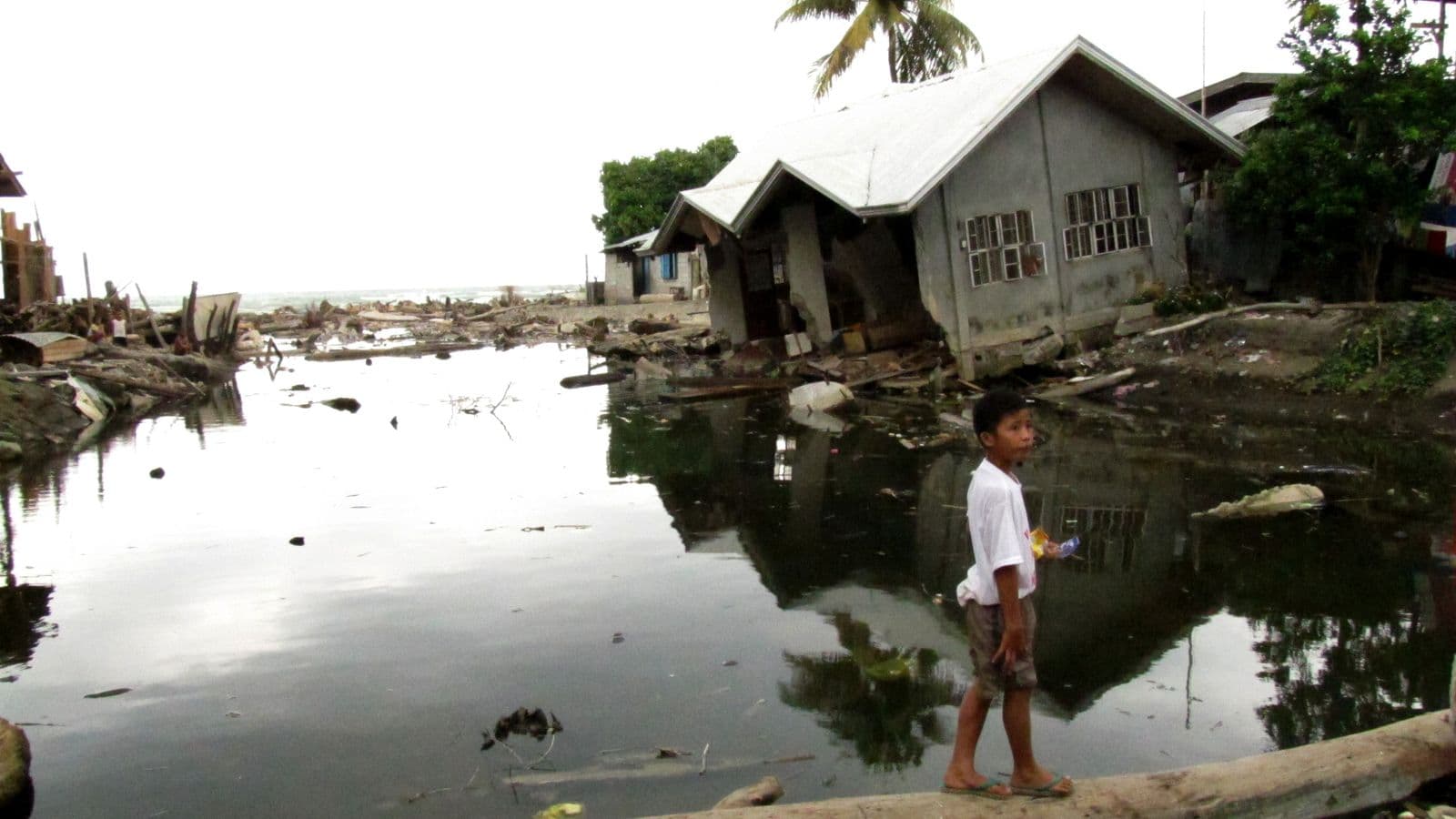
The arrest of a former House Speaker on plunder charges makes headlines, and it should. But the flood control scandal was never really about one official, or even one contractor — it was about a system where thousands of projects worth hundreds of billions of pesos could be approved, funded, and marked complete with, in some documented cases, nothing built on the ground.
The Department of Justice has confirmed 14 ghost projects so far, out of 421 flagged. That leaves the bulk of the flagged list still unresolved, and the deeper question — how a geotagging and verification system meant to catch exactly this kind of fraud could be undermined by allegedly falsified coordinates — still mostly unanswered in public.
Prosecutions matter, and so does restoring the roughly ₱100 billion in flood control funding that the World Bank says has already cost the country growth and investor confidence. But the durable fix is procedural: independent, third-party project verification; public, auditable geotagging data; and real consequences for the officials who sign off on projects that were never inspected.
Filipinos living behind the "flood control" embankments that failed during Typhoon Kalmaegi did not need a Senate hearing to tell them something was wrong. What they need now is proof that the fix outlasts this news cycle.
Related Stories
 Opinion
A Stronger Philippines Through Unity and Accountability
Real progress requires more than policies — it demands collective effort and transparency from every level of government.